Why Thanksgiving Is the #1 Day for Home Cooking Fires — And How to Prevent Them
Linda Mark November 26, 2025 0 COMMENTS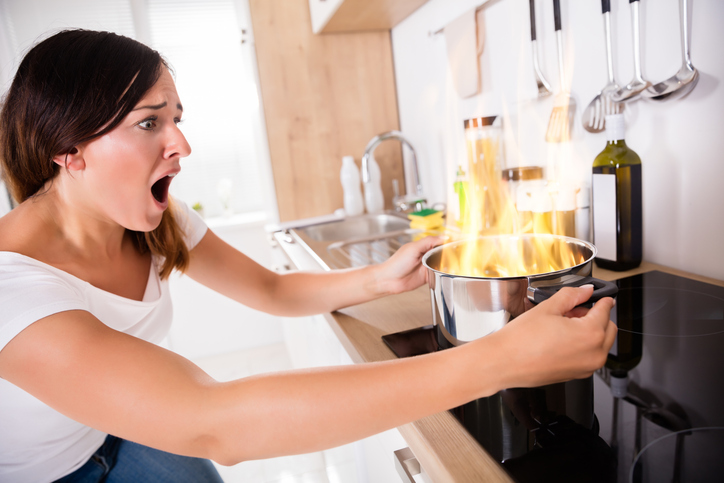
Thanksgiving may be a celebration built around food, family, and tradition — but it is also the most dangerous day of the year for home cooking fires. According to the National Fire Protection Association, Thanksgiving sees three to four times more home cooking fires than any other day on the calendar (NFPA Thanksgiving Fire Data).
The pattern is so consistent that federal agencies now issue annual warnings. The U.S. Consumer Product Safety Commission reports that unattended cooking remains the leading cause of kitchen fires nationwide, and emergency departments see a surge in burns, smoke inhalation injuries, and grease-fire incidents every Thanksgiving (CPSC Cooking Safety Guidance).
With millions of families preparing meals simultaneously — often while distracted by guests, travel, or holiday stress — the risks rise dramatically. Here’s what’s behind the numbers and the precautions every household needs to understand.
Thanksgiving Cooking Fire Statistics: The Numbers Don’t Lie
The data paints a clear picture:
-
Thanksgiving has more home cooking fires than any day of the year — even Christmas Eve and Christmas Day combined.
-
Fire departments respond to over 1,600 cooking fires on the holiday alone, according to NFPA’s most recent estimates.
-
Turkey fryers remain one of the top causes of catastrophic holiday fires, despite repeated federal warnings.
-
Stovetops account for the majority of incidents, especially where grease or oil is involved.
-
The U.S. Fire Administration also reports a sharp spike in kitchen-related injuries on Thanksgiving, especially involving burns and smoke exposure (USFA Fire Statistics).
The problem isn’t necessarily complex — it’s predictable human behavior colliding with high-risk cooking methods.
Why Fires Peak on Thanksgiving
Three major factors drive the spike in Thanksgiving-related cooking fires:
1. Unattended Cooking
The NFPA identifies this as the number-one cause of holiday fires. With multiple dishes cooking at once, kids running around, relatives arriving, and football games playing in the background, the kitchen quickly becomes chaotic. Even a few minutes away from a hot stovetop can be enough for oil to ignite.
2. Overcrowded Kitchens
Thanksgiving dinners often involve:
-
roasting
-
frying
-
simmering
-
baking
-
broiling
Crowded kitchens bring more distractions and more opportunities for accidents — especially when inexperienced cooks jump in to “help.”
3. High-Risk Cooking Methods
Certain traditions raise the fire danger dramatically:
-
Turkey deep-frying
-
Cooking with large amounts of oil
-
Crowding food into hot pans
-
Leaving oven doors ajar to “cool pie crusts”
Even small missteps in these methods can escalate quickly, especially outdoors where wind interacts with fryers.
The Turkey Fryer Problem
No device has a worse safety reputation than the turkey fryer — and for good reason.
The CPSC continues urging consumers not to use traditional propane turkey fryers due to:
-
Dangerous oil splash-over
-
Rapid overheating
-
Unstable bases
-
Severe burn risk
-
High likelihood of ignition
Their official position is blunt: “Turkey fryers that use hot oil are not safe” (CPSC Turkey Fryer Warning).
If households insist on frying a turkey, experts recommend choosing an electric, oil-free fryer, or at minimum maintaining strict safety controls outdoors, on concrete, and far from structures.
How to Prevent Thanksgiving Cooking Fires
A safe Thanksgiving is not complicated — but it requires attention and planning. These are the most critical steps:
1. Never Leave Cooking Unattended
If you need to leave the kitchen:
-
Turn off the burner
-
Ask someone else to watch the food
-
Set a timer to keep yourself anchored
Most fires happen when someone walks away “for just a minute.”
2. Keep Children at Least Three Feet Away
The “kid-free zone” rule recommended by NFPA is essential during holiday cooking. Hot pans, boiling liquids, and open oven doors create a dangerous environment for children.
3. Keep Combustible Items Away From the Stove
This includes:
-
Towels
-
Oven mitts
-
Food packaging
-
Wooden utensils
-
Potholders
Thanksgiving creates clutter — and clutter creates fire hazards.
4. Avoid Wearing Loose Clothing While Cooking
Long sleeves and lightweight fabrics can brush against burners and ignite quickly.
5. Know How to Handle a Grease Fire
This point alone prevents thousands of injuries:
-
Never use water on a grease fire — it can cause an explosion of flames.
-
Smother the fire with a lid if it’s small.
-
Turn off the heat immediately.
-
Use a Class B or K fire extinguisher if the fire grows.
If the fire spreads, evacuate and call 911. Do not attempt to fight a large kitchen fire.
6. Fry Turkeys Outdoors — Far From Anything Flammable
If you insist on using a fryer:
-
Set it on level concrete
-
Keep it away from porches, garages, or decks
-
Completely thaw the turkey
-
Measure oil displacement in advance
Most fryer fires come from overfilling or dropping a partially frozen bird into hot oil.
7. Test Smoke Alarms Before the Holiday
With multiple burners running and ovens preheating, early warning can be lifesaving.
Final Thoughts
Thanksgiving should be a time of celebration — not an emergency room visit. But the risks are real, and the data is clear: this holiday consistently produces the highest number of cooking fires in the United States.
By understanding the dangers and taking a few simple precautions, families can protect their homes and enjoy the holiday safely. Firefighters, emergency physicians, and federal safety agencies repeat the same message each year because it matters: stay alert, stay prepared, and never leave cooking unattended.