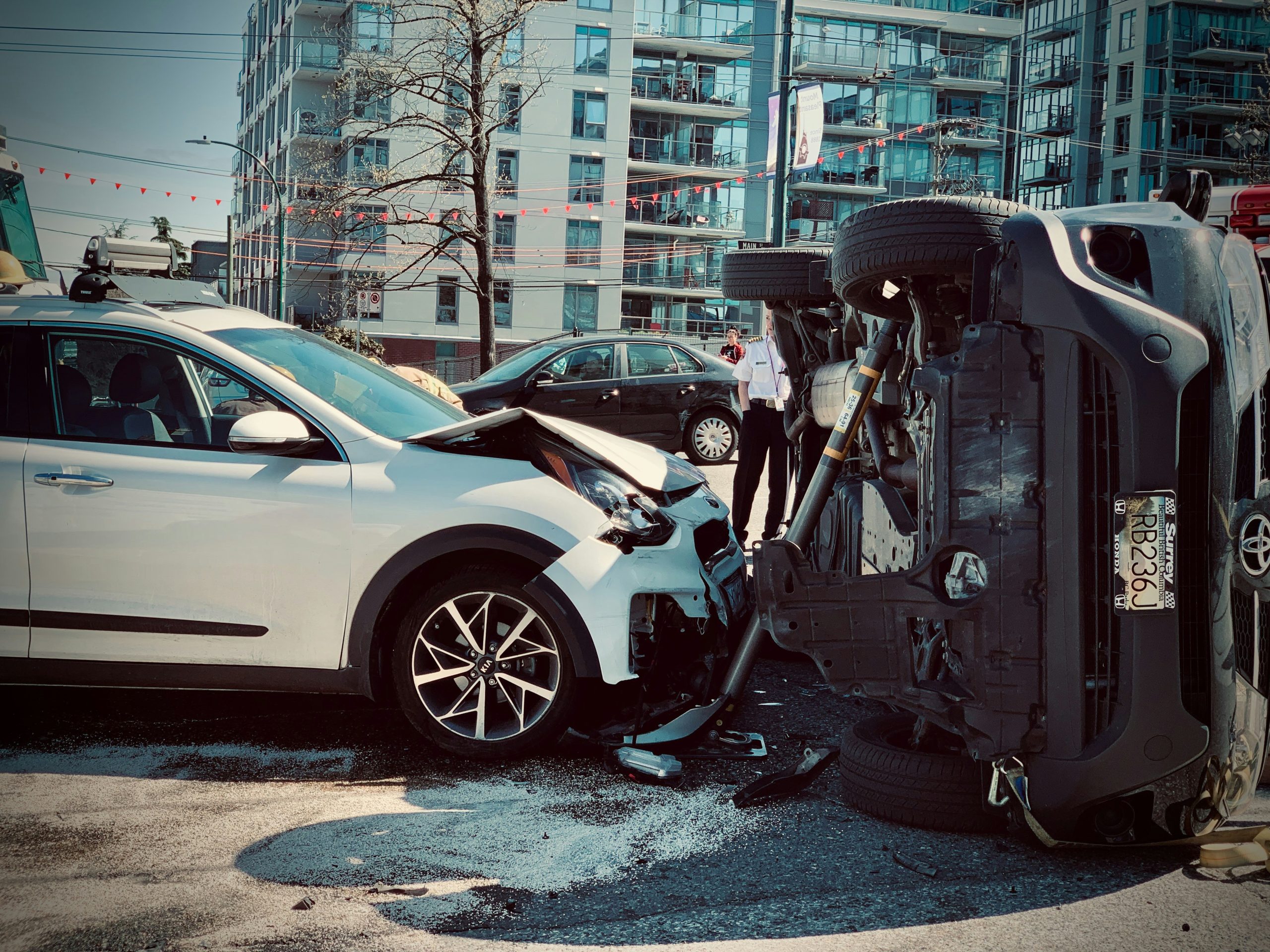
Car accidents remain one of the most common safety incidents on American roads. According to the National Highway Traffic Safety Administration (NHTSA), millions of crashes occur every year across the United States, ranging from minor fender-benders to serious collisions that result in injuries or fatalities.
In the immediate aftermath of a crash, many drivers experience confusion, shock, and uncertainty about what steps to take next. Knowing what to do after a car accident can protect your safety, preserve evidence, and ensure that insurance and legal matters are handled properly.
This guide outlines the key actions drivers should take following a crash in the United States and highlights why preparation and awareness can make a significant difference.
1. Check for Injuries and Ensure Immediate Safety
The first priority after any collision is the safety of everyone involved.
If you are physically able, check yourself and any passengers for injuries. If anyone appears injured—even if the injuries seem minor—call 911 immediately.
Serious injuries may not always be obvious in the moments after a crash. The Centers for Disease Control and Prevention notes that symptoms from trauma such as head injuries or internal bleeding can develop hours after the initial incident.
If the vehicles are creating a hazard and it is safe to do so, move them to the side of the road to prevent additional accidents.
Turn on hazard lights and, if available, place warning triangles or flares behind the vehicle.
2. Contact Law Enforcement
Even if the crash appears minor, it is usually wise to contact local police so an official report can be created.
A police report serves several important purposes:
-
Documents the time and location of the accident
-
Records statements from drivers and witnesses
-
Provides an objective summary of the incident
-
Helps insurance companies process claims
In many states, reporting an accident is legally required if injuries occur or if property damage exceeds a certain threshold.
An official report can also help protect drivers if disputes arise later about fault or damages.
3. Exchange Information With the Other Driver
After ensuring safety and contacting authorities, drivers should exchange essential information with everyone involved in the crash.
Important information includes:
-
Full name and contact information
-
Driver’s license number
-
License plate number
-
Vehicle make and model
-
Insurance company and policy number
Avoid discussing fault at the scene. Determining responsibility is a process that typically involves insurance adjusters, investigators, and sometimes legal professionals.
Remaining calm and cooperative can help prevent the situation from escalating.
4. Document the Scene Thoroughly
Modern smartphones make it much easier to capture valuable evidence immediately after an accident.
If it is safe to do so, take photos of:
-
Vehicle damage
-
The positions of the vehicles
-
Road conditions and traffic signs
-
Skid marks or debris
-
Any visible injuries
Photographs and videos can be extremely helpful later when insurance companies or investigators review the incident.
Witness information can also be valuable. If bystanders saw the crash occur, politely ask for their name and contact information in case their statement becomes necessary.
5. Seek Medical Evaluation
Even if you feel fine immediately after the accident, it is often wise to seek medical evaluation.
Adrenaline can temporarily mask pain and injury symptoms. Many conditions—such as whiplash, soft-tissue injuries, and mild concussions—may not become noticeable until hours or days later.
Prompt medical documentation can also help establish a clear timeline if injuries later become part of an insurance claim or legal matter.
6. Notify Your Insurance Company
Most insurance policies require drivers to report accidents promptly.
When speaking with your insurer:
-
Provide accurate details about the crash
-
Share photos and documentation if requested
-
Provide the police report number if one was filed
Avoid speculating about fault or making assumptions about damages until professionals have reviewed the situation.
Insurance companies typically conduct their own investigation to determine liability and compensation.
7. Understand Local Considerations in High-Traffic Cities
Certain cities in the United States experience significantly higher traffic volumes and collision rates due to rapid population growth and congestion.
For example, drivers in Austin face increasingly busy roadways as the city continues to expand. According to data referenced by the Texas Department of Transportation, the region has experienced a rise in traffic collisions as commuter activity increases.
Because of these conditions, understanding what to do after a car accident in Austin can be especially important for drivers navigating the city’s crowded highways and urban streets.
In addition to the general steps outlined above, drivers in the Austin area may also encounter:
-
Heavy rush-hour traffic on major corridors like I-35
-
Increased rideshare and delivery vehicle presence
-
Construction zones and rapidly changing road patterns
These factors can complicate accident scenes and make quick documentation and clear communication with authorities even more critical.
8. Be Cautious About Social Media and Statements
In the hours and days following a crash, many people feel tempted to share their experience online.
However, safety and legal professionals often recommend limiting social media discussion about an accident.
Posts, photos, or comments about the crash could potentially be used during insurance disputes or legal proceedings.
Keeping communication limited to insurance representatives, medical professionals, and relevant authorities is usually the safest approach.
9. Learn From the Incident
While no driver expects to be involved in a collision, accidents can serve as important reminders about road safety.
Organizations such as the Insurance Institute for Highway Safety (IIHS) consistently emphasize the importance of defensive driving, distraction awareness, and maintaining safe following distances.
Taking time to review what happened and how it could be avoided in the future may help prevent similar incidents down the road.
Staying Prepared Can Make All the Difference
Car accidents can be overwhelming, but knowing how to respond can dramatically reduce stress and improve outcomes.
Drivers who understand the correct steps—from securing safety and documenting the scene to contacting insurance providers—are far better positioned to handle the aftermath effectively.
Keeping an emergency kit in your vehicle, saving important phone numbers, and reviewing safety procedures periodically can ensure that you are prepared if the unexpected happens.
On today’s busy American roads, preparation and awareness remain some of the most powerful safety tools drivers have.