Construction Defects: The Hidden Safety Threat That Affects Homeowners Long After the Build
BenchMark Website Design January 26, 2026 0 COMMENTS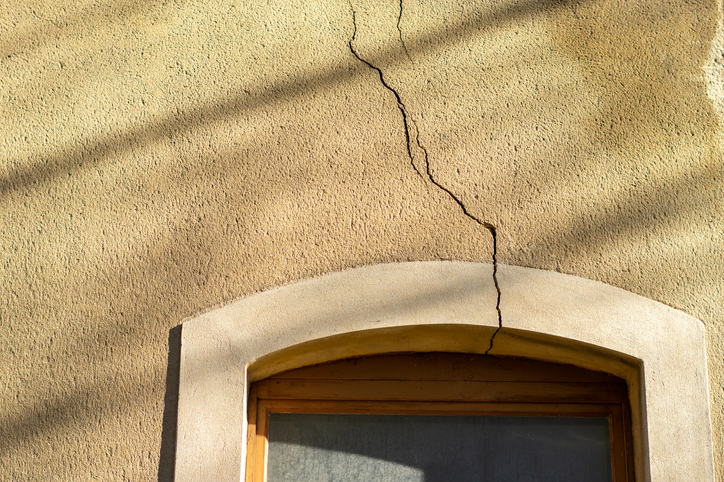
When we think about construction safety, images of hard hats, scaffolding accidents, and jobsite injuries typically come to mind. But there’s another dimension to construction safety that rarely gets discussed until disaster strikes: construction defects that compromise the structural integrity and safety of buildings long after the workers have left.
Construction defects are more than cosmetic issues or minor annoyances. They represent serious safety hazards that can lead to catastrophic failures, health emergencies, and financial devastation for property owners. Understanding what constitutes a construction defect, how to identify warning signs, and when to take action isn’t just about protecting your investment—it’s about protecting lives.
What Are Construction Defects?
According to the U.S. Consumer Product Safety Commission, construction defects are flaws or deviations from building codes, industry standards, or approved plans that compromise a structure’s safety, functionality, or durability. These defects fall into several categories:
Design deficiencies occur when architects or engineers create plans that don’t comply with building codes or fail to account for site-specific conditions like soil composition or drainage patterns. A poorly designed foundation system, for instance, can lead to settlement issues that crack walls, misalign doors and windows, and eventually compromise structural stability.
Material defects involve the use of substandard or inappropriate materials. This might include lumber that doesn’t meet structural grading requirements, concrete with improper mix ratios, or roofing materials unsuitable for local climate conditions. The National Institute of Standards and Technology has documented how material failures contribute significantly to building performance issues during extreme weather events.
Construction deficiencies happen when work isn’t executed according to plans or industry standards. Poor workmanship can manifest as improperly installed electrical systems, inadequate waterproofing, faulty HVAC installations, or structural connections that don’t meet load requirements. These are often the most common types of defects and can be the most difficult to detect until problems become severe.
Subsurface problems involve soil and foundation issues that weren’t properly addressed during construction. Inadequate soil testing, improper grading, or failure to account for expansive soils can lead to foundation movement, settling, and eventual structural damage.
The Safety Implications Are Real and Serious
Construction defects aren’t abstract legal concepts—they have tangible, dangerous consequences. Electrical defects cause an estimated 51,000 fires annually in the United States, according to the National Fire Protection Association, resulting in nearly 500 deaths and $1.3 billion in property damage. Many of these fires originate from improperly installed wiring, overloaded circuits, or substandard electrical components installed during construction.
Structural defects pose equally serious risks. When load-bearing walls aren’t properly supported, when connections between structural elements fail, or when foundations settle unevenly, the results can range from chronic safety hazards to sudden catastrophic failure. Balcony collapses, roof failures, and wall separations have all been traced back to construction defects that went undetected for years.
Water intrusion defects create a different but equally serious category of safety issues. When building envelopes aren’t properly sealed, when flashing is incorrectly installed, or when drainage systems fail, moisture penetrates the structure. This leads to mold growth, wood rot, and compromised structural integrity. The Environmental Protection Agency identifies mold exposure from water-damaged buildings as a significant health concern, particularly for children, elderly individuals, and people with respiratory conditions.
Warning Signs Homeowners Should Never Ignore
Construction defects rarely announce themselves obviously. More often, they reveal themselves through subtle warning signs that homeowners might dismiss as normal settling or minor maintenance issues. However, certain red flags should always trigger closer investigation.
Cracks in walls, ceilings, or foundations deserve attention, particularly if they’re wider than a hairline, growing over time, or appearing in concerning patterns. Horizontal cracks in foundation walls, stair-step cracks in brick or block walls, and cracks radiating from door or window corners often indicate structural movement that could stem from foundation defects.
Doors and windows that suddenly stick, won’t close properly, or show gaps around their frames can signal foundation settlement or structural shifting. While some seasonal variation is normal, progressive worsening suggests an underlying problem that needs professional assessment.
Water stains, moisture accumulation, or musty odors indicate building envelope failures. These issues often appear in attics, crawl spaces, around windows, or on exterior walls. Left unaddressed, water intrusion defects compound rapidly, turning minor waterproofing failures into major structural and health hazards.
Uneven floors, sagging ceilings, or sloping rooflines are visible indicators of structural problems that require immediate attention. These conditions suggest that load-bearing elements aren’t performing as designed, creating safety risks that will only worsen over time.
When to Seek Professional Help
Construction defects operate on compressed timelines defined by state statutes of limitations and warranty periods. Texas, for example, has specific timeframes within which property owners must discover defects and pursue claims. Missing these deadlines can eliminate your ability to recover damages or require repairs at the responsible party’s expense.
If you’re observing concerning signs in your home or commercial property, particularly if the structure is relatively new, professional evaluation becomes essential. A qualified inspector can determine whether you’re dealing with normal wear, maintenance issues, or genuine construction defects that require legal intervention.
Many construction defect cases involve complex technical issues requiring expert testimony about industry standards, building codes, and proper construction methods. They also involve navigating relationships with builders, subcontractors, material suppliers, and insurance companies—all of whom have their own legal counsel protecting their interests.
This is precisely why property owners facing potential construction defects shouldn’t delay seeking specialized legal guidance. The right professional can evaluate your situation, arrange for technical inspections, preserve your legal rights, and help you understand your options for recovery. Whether you’re dealing with foundation issues, water intrusion, structural problems, or any other construction-related safety concern, getting answers early protects both your safety and your financial interests.
Contact us today to discuss your concerns with professionals who understand construction defects and can help you determine the best path forward.
Conclusion
Construction defects represent a largely invisible dimension of building safety that affects countless property owners. Unlike jobsite injuries that occur during construction, defect-related hazards emerge slowly, often becoming apparent only after warranties expire or statutes of limitation approach. Understanding what construction defects are, recognizing their warning signs, and knowing when to seek professional evaluation can make the difference between a minor repair and a major safety crisis. Your home should be your safest place—not a source of ongoing structural concern or health risk.