Slip and Fall Accidents: The Hidden Safety Risks Most People Ignore
Safety Info December 22, 2025 0 COMMENTS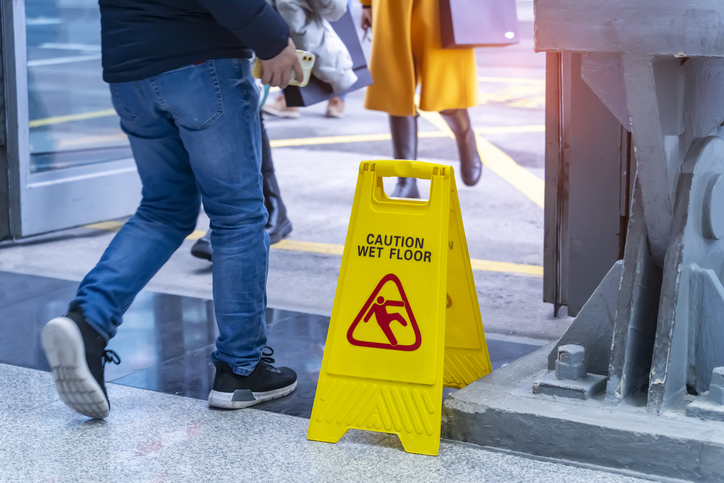
Slip and fall accidents are often dismissed as minor mishaps—embarrassing moments rather than serious safety failures. That assumption is dangerously wrong. Falls remain one of the leading causes of injury in the United States, sending millions of people to emergency rooms each year and permanently altering lives in ways that are rarely discussed until it’s too late.
From grocery stores and apartment complexes to parking lots, sidewalks, and workplaces, slip and fall hazards exist in plain sight. Many are predictable. Many are preventable. And many result from ignored safety responsibilities rather than bad luck.
Understanding how and why these accidents happen is the first step toward preventing them—and recognizing when an injury should never have occurred in the first place.
Why Slip and Fall Accidents Are a Serious Safety Issue
According to the Centers for Disease Control and Prevention, falls are a leading cause of non-fatal injuries across all age groups, not just among older adults. While seniors face higher risks of fatal outcomes, younger individuals often suffer long-term consequences such as spinal damage, traumatic brain injuries, and chronic joint problems.
In many cases, victims initially underestimate their injuries. A fall that seems minor can later result in herniated discs, nerve damage, or persistent pain that interferes with work and daily life. The delayed nature of these injuries is one reason slip and fall incidents are so often mishandled—or ignored—by property owners and insurers.
Common Slip and Fall Hazards That Should Never Exist
Most slip and fall accidents stem from hazards that are well-documented and widely understood. These include:
-
Wet or freshly mopped floors without warning signs
-
Ice, snow, or standing water on walkways
-
Uneven pavement, loose tiles, or torn carpeting
-
Poor lighting in stairwells or parking areas
-
Broken handrails or missing stair nosings
The Occupational Safety and Health Administration has repeatedly identified slip, trip, and fall hazards as among the most common—and most preventable—safety failures in both public and private spaces.
When these conditions are allowed to persist, they don’t represent accidents. They represent neglect.
Where Slip and Fall Accidents Most Often Occur
While falls can happen anywhere, certain locations consistently present higher risks:
Retail Stores and Grocery Chains
Spills, leaking refrigeration units, and improperly cleaned floors are frequent causes of serious injuries.
Apartment Complexes and Rental Properties
Cracked sidewalks, poorly maintained staircases, and inadequate lighting are common hazards, especially in shared spaces.
Parking Lots and Garages
Oil slicks, uneven surfaces, and poor drainage make these areas especially dangerous during rain or freezing conditions.
Workplaces
Falls remain a leading cause of workplace injuries, particularly in construction, healthcare, warehousing, and hospitality environments.
In each of these settings, safety responsibilities are clearly defined—and often ignored.
The Long-Term Impact of Slip and Fall Injuries
Slip and fall injuries are not limited to bruises or sprains. Common outcomes include:
-
Traumatic brain injuries (TBIs)
-
Hip, wrist, and ankle fractures
-
Spinal cord injuries
-
Torn ligaments and soft-tissue damage
-
Permanent mobility limitations
Medical bills accumulate quickly. Time away from work compounds financial stress. And in severe cases, individuals never fully recover their independence.
These consequences are especially devastating when the injury could have been prevented through basic safety measures.
When a Fall Crosses the Line from Accident to Liability
A critical safety question must be asked after any serious fall: Was this hazard foreseeable and preventable?
Property owners and managers have a legal duty to maintain reasonably safe conditions. When they fail to repair known hazards, ignore routine inspections, or neglect warning signage, responsibility does not fall on the injured person—it falls on those who allowed the danger to exist.
Falls caused by known hazards, recurring issues, or ignored complaints are not unavoidable incidents. They are safety failures with real accountability attached.
Why Documentation and Timing Matter
One of the most overlooked aspects of slip and fall safety is documentation. Photographs, incident reports, witness statements, and prompt medical evaluations can all play a critical role in determining what went wrong.
Delays benefit negligent parties—not injured individuals. By the time hazards are repaired or conditions change, evidence can disappear. Safety accountability depends on acting quickly and understanding your options.
Understanding Your Options After a Serious Fall
Slip and fall incidents often trigger insurance disputes, liability denials, and attempts to minimize injuries. Knowing where safety responsibilities lie—and when professional guidance is appropriate—can make a significant difference in outcome.
For individuals facing medical bills, lost income, or long-term injuries after a fall caused by unsafe conditions, consulting a qualified slip and fall accident lawyer, like The Law Offices of Colby Lewis, can help clarify responsibility, protect evidence, and ensure that safety failures are properly addressed.
Bottom line: Slip and fall accidents are rarely random. They are frequently the result of ignored risks, neglected maintenance, and preventable safety oversights. Treating them seriously isn’t about blame—it’s about accountability, prevention, and protecting others from the same harm.